






Cloudbet
Up to 2,500 USDT + 100 free spins
Payouts within 30 min · 3,000+ games · 10% rakeback
4.3/ 10
Claim bonusLooking for solid crypto and Bitcoin betting sites? We have tested the market for sportsbooks built around cryptocurrency to find trustworthy operators with strong sports coverage, secure payments, and competitive bonuses. A crypto sportsbook lets you deposit, bet, and withdraw in Bitcoin or another cryptocurrency, usually within minutes.

The sportsbook filter is already switched on below, so every site you see runs a real betting product, not just a casino with a token sports tab. Filter further by coin, no-KYC play, VPN support, and fast withdrawals. If you mainly want slots and table games rather than sports, our crypto casino toplist is the better starting point.
24 betting sites accept Bitcoin
Out of the 31 casinos we have tested, we list 24 hand-picked operators that accept Bitcoin. Those that fall short of our standards for licensing, withdrawal speed or customer support are filtered out of the ranking, but remain available as reviews in our archive.
Our ranking is built on our own testing, alongside independent ratings from Trustpilot and AskGamblers. Both sources update automatically, so you see both our verdict and how real players experience the casino. Every review also surfaces AskGamblers' average complaint response time.

Up to 2,500 USDT + 100 free spins
No wagering
Very good
 8.6/10(108 reviews)3.9/5(2619 reviews)
Accepted cryptocurrencies














Available games
 Baccarat
 Bingo
Bingo Blackjack
 Craps
Craps Crash
Crash Dice
Dice Esports Betting
 Jackpots
 Keno
Keno Live Casino
 Lottery
 Minesweeper
 Plinko
 Poker
Poker Roulette
 Scratch Cards
 Sic Bo
 Slots
Slots Sports Betting
 Video Poker
100 free spins
1x wagering
Max bonus win: 100 USD
Excellent
9.2/10(238 reviews)Accepted cryptocurrencies

Available games
BaccaratBingoBlackjackCrapsCrashDiceEsports BettingJackpotsKenoLive CasinoLotteryMinesweeperPlinkoPokerRouletteSic BoSlotsSports Betting
100% up to 3,000 USDT & BTC sign up Reward
50x wagering
Max bonus win: 3,000 USDT
Good
3.3/10(4 reviews)2.3/5(45 reviews)Accepted cryptocurrencies
Available games
BaccaratBingoBlackjackCrapsCrashDiceEsports BettingJackpotsKenoLive CasinoLotteryMinesweeperPlinkoPokerRouletteSic BoSlotsSports Betting
1.5 BTC & 100 free spins
40x wagering
Max bonus win: 10,000 USDT
Very good
9.1/10(131 reviews)1.7/5(205 reviews)Accepted cryptocurrencies
Available games
BaccaratBlackjackCrapsCrashDiceEsports BettingJackpotsKenoLive CasinoMinesweeperPlinkoPokerRouletteSlotsSports Betting
1,000 USDT + 400 free spins
35x wagering
Max bonus win: 1,000 USDC
Very good
8.9/10(37 reviews)3.7/5(8 reviews)Accepted cryptocurrencies
Available games
BaccaratBingoBlackjackCrapsCrashDiceEsports BettingJackpotsKenoLive CasinoLotteryPokerRouletteSlotsSports Betting
Rakeback via Rewards + $100,000 Weekly Raffle
Good
5.1/10(36 reviews)Accepted cryptocurrencies

Available games
BaccaratBlackjackCrapsCrashDiceEsports BettingKenoLive CasinoMinesweeperPlinkoPokerRouletteSlotsSports Betting
Up to 17,000 USDT
40x wagering
Good
9.4/10(12 reviews)2.9/5(2 reviews)Accepted cryptocurrencies
Available games
BaccaratBingoBlackjackCrashLive CasinoLotteryRouletteScratch CardsSic BoSlotsSports Betting
Up to 30% cashback + 20% rakeback + 100 free spins
Good
9.3/10(19 reviews)2.9/5(27 reviews)Accepted cryptocurrencies
Available games
BaccaratBlackjackCrashDiceEsports BettingLive CasinoMinesweeperPokerRouletteSic BoSlotsSports Betting
480% up to $10,000 + 300 free spins
40x wagering
Max bonus win: 4,000 USD
Good
6.6/102/5(152 reviews)Accepted cryptocurrencies
Available games
BaccaratBlackjackCrashEsports BettingLive CasinoMinesweeperRouletteSlotsSports Betting
150 free spins
2x wagering
Max bonus win: 200 USD
Good
6.3/10(23 reviews)2/5(69 reviews)Accepted cryptocurrencies
Available games
BaccaratBingoBlackjackCrapsCrashDiceEsports BettingJackpotsKenoLive CasinoLotteryMinesweeperPlinkoPokerRouletteSic BoSlotsSports Betting
Up to 70% rakeback + 10% cashback
No wagering
Good
8.5/10(2 reviews)2.1/5(130 reviews)Accepted cryptocurrencies
Available games
BaccaratBlackjackCrashDiceEsports BettingKenoLive CasinoPlinkoPokerRouletteSlotsSports Betting
100% up to 1,000 USDT
35x wagering
OK
Accepted cryptocurrencies
Available games
BaccaratBlackjackEsports BettingSlotsSports Betting
100% up to 1 BTC
30x wagering
Max bonus win: 1 BTC
Good
9.3/10(56 reviews)2.1/5(17 reviews)Accepted cryptocurrencies
Available games
BaccaratBingoBlackjackCrapsCrashDiceEsports BettingJackpotsKenoLive CasinoLotteryMinesweeperPlinkoPokerRouletteSic BoSlotsSports Betting
100% up to 1 BTC
40x wagering
Max bonus win: 1 BTC
Good
8.6/10(49 reviews)2.3/5(141 reviews)Accepted cryptocurrencies
Available games
BaccaratBlackjackCrapsCrashDiceEsports BettingJackpotsKenoLive CasinoLotteryMinesweeperPlinkoPokerRouletteSic BoSlotsSports Betting
100 free spins
35x wagering
Max bonus win: 100 USD
Very good
8.9/10(45 reviews)3.1/5(435 reviews)Accepted cryptocurrencies
Available games
BaccaratBlackjackCrapsCrashDiceEsports BettingJackpotsKenoLive CasinoLotteryMinesweeperPlinkoPokerRouletteSic BoSlotsSports Betting
100% up to 5,000 USDT
80x wagering
Max bonus win: 5,000 USDC
Good
Accepted cryptocurrencies
Available games
BaccaratBlackjackCrashEsports BettingLive CasinoPlinkoPokerRouletteSlotsSports Betting
€10,000 bonus + 200 free spins
45x wagering
Max bonus win: 10,000 EUR
Very good
8.7/10(168 reviews)4/5(489 reviews)Accepted cryptocurrencies
Available games
BaccaratBingoBlackjackCrapsCrashDiceEsports BettingJackpotsKenoLive CasinoLotteryMinesweeperPlinkoPokerRouletteSic BoSlotsSports Betting
200% up to $30,000
60x wagering
Max bonus win: 30,000 USD
Good
3.3/10(3 reviews)1.8/5(210 reviews)Accepted cryptocurrencies
Available games
BaccaratBingoBlackjackCrapsCrashDiceEsports BettingJackpotsKenoLive CasinoMinesweeperPlinkoPokerRouletteSic BoSlotsSports Betting
120% bonus + 100 free spins
20x wagering
Max bonus win: 4,000 USD
Good
7/10(146 reviews)Accepted cryptocurrencies
Available games
BaccaratBingoBlackjackCrapsCrashDiceEsports BettingJackpotsKenoLive CasinoLotteryPokerRouletteSlotsSports Betting
Up to $10,000 bonus
No wagering
Max bonus win: 1,000 USD
Very good
8.8/10(199 reviews)2.2/5(244 reviews)Accepted cryptocurrencies
Available games
BaccaratBingoBlackjackCrapsCrashDiceEsports BettingJackpotsKenoLive CasinoLotteryMinesweeperPlinkoPokerRouletteSic BoSlotsSports Betting
100% up to 1 BTC
66x wagering
Max bonus win: 1 BTC
OK
1.3/10(4 reviews)2.3/5(357 reviews)Accepted cryptocurrencies
Available games
BaccaratBingoBlackjackCrapsCrashDiceEsports BettingJackpotsKenoLive CasinoLotteryPokerRouletteSlotsSports Betting
100% up to 1 BTC
80x wagering
Max bonus win: 1 BTC
Good
5.6/10(25 reviews)Accepted cryptocurrencies
Available games
BaccaratBingoBlackjackCrapsCrashDiceEsports BettingJackpotsKenoLive CasinoLotteryRouletteSlotsSports Betting
150% up to $1,500 on first deposit
30x wagering
Good
6.2/10(6 reviews)3.2/5(112 reviews)Accepted cryptocurrencies
Available games
BaccaratBlackjackCrashDiceEsports BettingKenoLive CasinoPlinkoRouletteSic BoSlotsSports Betting
100% + 20 free spins up to $700
40x wagering
OK
5/10(3 reviews)2.2/5(587 reviews)Accepted cryptocurrencies
Available games
BlackjackDiceKenoLive CasinoMinesweeperPlinkoSlotsSports BettingPlay with control. Take a self-test and set deposit limits before you start. Our responsible gambling guide shows you how. 18+.
A crypto sportsbook is an online betting site that takes deposits, settles bets, and pays out winnings in cryptocurrency such as Bitcoin (BTC), Ethereum (ETH), or stablecoins like Tether (USDT). It works like a traditional sportsbook, but money moves through a blockchain wallet instead of a bank card, which usually means faster payouts and lighter identity checks.
Most crypto sportsbooks combine a sportsbook with a casino under one account and one wallet. The betting side covers fixed-odds markets on football, basketball, tennis, ice hockey, American football, and combat sports, plus esports. The key differences from a mainstream bookmaker are the payment rail (on-chain or Lightning rather than bank transfer), the licensing (usually offshore), and the option to bet with little or no verification.
You fund an account from a crypto wallet, place fixed-odds bets, and withdraw winnings back to your wallet. Deposits and withdrawals settle on the blockchain, so payouts are often near-instant. Most sites need only an email to register, and many let you bet without submitting ID, though that varies by operator and bet size.
No crypto yet? Most sportsbooks sell it straight from the cashier via an onramp provider such as MoonPay, converting a regular card payment into the coin you want to stake. Several brands also share the same underlying betting platform, which is why the bet slip and layout can feel familiar from one operator to the next.
Getting started takes a few minutes. Follow these steps:
Use our toplist above to compare the operators we rate most highly after testing.
In most cases you only need an email address and a password.
Send funds from your crypto wallet, or buy crypto directly at the cashier if you do not hold any yet.
Choose a sports bonus, such as a free bet or deposit match, when you deposit. Read the wagering terms first.
Open the sportsbook, pick a sport, and add selections to your bet slip. Most sites also offer live, in-play betting.
Request a withdrawal back to your wallet. On the fastest networks the funds usually arrive within minutes.
Crypto sportsbooks differ from mainstream bookmakers in three ways: payments, verification, and licensing. They run on blockchain rails, so deposits and withdrawals settle in minutes rather than days. They often let you bet with light or no KYC. And they hold offshore licences instead of national ones, which means weaker player protection in exchange for global access and bigger bonuses.
| Crypto sportsbook | Traditional bookmaker | |
|---|---|---|
| Payments | BTC, ETH, stablecoins, altcoins; on-chain or Lightning | Bank card, bank transfer, e-wallets |
| Payout speed | Minutes (near-instant on Lightning, USDT-TRC20, SOL) | Hours to several business days |
| Verification | Often light or no KYC until a threshold or a flag | Full KYC required before you bet |
| Licensing | Offshore (Curaçao, Anjouan, Costa Rica) | National regulator |
| Bonuses | Larger, crypto-specific (rakeback, BTC-only deals) | Smaller, tightly regulated |
| Availability | Global, but geoblocked in some countries | Restricted to licensed jurisdictions |
Odds are the quieter difference. Every bookmaker builds a margin (the “vig”) into its prices, and that margin varies between operators and between markets at the same operator. Crypto books are no exception: the gap between the sharpest and softest price on the same match can be wide. Comparing a market across two or three books before you stake, known as line shopping, is the only reliable way to find the best price.
We weigh both sides of this trade-off in the safety and licensing sections below.
Every sportsbook on this page went through the same process before it entered the list: we open an account, deposit, place bets, and request a withdrawal ourselves. Scores weigh payout speed, betting coverage, bonus terms, licensing, and support, cross-checked against independent Trustpilot and AskGamblers records where they exist.
Categories are listed by how much they count toward the total. Deposits and withdrawals weighs the most, and verified player feedback adjusts the final score. See how we calculate the score
Deposits and withdrawals
Crypto support, speed, and fees
Bonuses
Welcome bonus, wagering requirements, and promotions
Security & KYC
KYC requirements, 2FA and data protection
Design, language, and feel
Usability, mobile experience, and localization
Game selection
Game variety, providers, and RTP transparency
Licensing
License, regulation, and player protection
Customer support
Availability, language, and response time
Player reviews
Trustpilot and AskGamblers adjust the score, weighted by review volume
Affiliate deals never move a score. Operators earn or lose positions on test results, and negative findings stay in the reviews. The full process, including how we separate commercial and editorial decisions, is documented on our methodology page.
Jack.com, Bitz, Vave, Crashino, and CasinOK are the five highest-ranked sportsbooks on our list. All five accept Bitcoin and stablecoins, and all five pair the betting book with a casino under one wallet. The mini reviews below show where each one stands on bonuses, verification, and payouts.
Up to 2,500 USDT + 100 free spins
Payouts within 30 min · 3,000+ games · 10% rakeback
No KYC · Payouts within 30 min · 7,000+ games
Jack.com is the top betting site in our comparison, built around a sportsbook that spans more than 140 sports plus esports. The welcome offer is aimed at bettors rather than slots players: if your first bet loses, you get your stake back up to $100. Sign-up needs no ID check, the minimum deposit is just 1 USD, and a Bitcoin withdrawal cleared in around 20 minutes in our test. On top of that, the rakeback program pays up to 30% back every week.
Pros
Cons

No other betting site in our test ties odds and casino together as cleanly: the sports bonus, esports and casino games all share one wallet and one no-KYC account. Add a welcome offer designed for bettors, fast payouts and an AskGamblers player score of 9.2 of 10 from 238 reviews, and Jack.com sits clearly ahead with an overall rating of 4.7 of 5.
No KYC · 6,500+ games · Live casino
Bitz pairs its own sportsbook and esports betting with a casino of 6500 games, all under an Anjouan license and open with nothing more than an email. What makes it worth a bettor's time is the value stacked on top of the odds: 24% rakeback and 25% cashback through the loyalty program. Deposits and withdrawals run in twelve cryptocurrencies, and the welcome bonus doubles your first deposit up to 3,000 USDT. A Bitcoin withdrawal reached the wallet in about an hour when we tested it.
Pros
Cons

Where most betting sites lead with one big sign-up bonus, Bitz keeps paying out week after week to anyone who keeps wagering. Weekly rakeback, cashback and anonymous play outweigh the steep wagering on the welcome offer and make it a solid pick for frequent bettors.
11,000+ games · Live casino · Provably fair
Vave brings a full sportsbook, esports and a five-figure casino together on one account, so you move between live odds and slots without switching wallets. The book covers more than 50 sports, and Solana sits among its eleven cryptocurrencies for fast top-ups mid-match. The welcome package is one of the biggest around, a 150% match worth 1.5 BTC plus 100 free spins, and our test payouts were approved inside the hour. The library runs to more than 11000 titles.
Pros
Cons

Vave earns its place on breadth: few betting sites in the comparison pair odds across more than fifty sports with a casino this large and esports on the side. Mandatory KYC and a weak Trustpilot score keep it from climbing higher, but for one-account convenience the range is hard to beat.
4,000+ games · Live casino · Provably fair
Crashino has run a sportsbook and esports betting beside its casino since 2021, longer than most names on this list, and keeps its promotions moving through Telegram and Discord groups. The name comes from its 195 crash games, but the same account also holds sports odds and more than 4000 casino titles. You register straight through Telegram, and a fee-free Bitcoin withdrawal reached my wallet in roughly 40 minutes in our test. New players start with a 100% match worth 1,000 USDT and 400 free spins.
Pros
Cons

Years of running betting next to the casino give Crashino a steadiness several newer betting sites lack, and Telegram sign-up has an account live in a minute. Its crash-game catalog is among the deepest we have seen, a natural companion for anyone who likes fast formats between bets.
Crypto sportsbooks price the same markets as any major bookmaker: match results (1X2), totals, handicaps, player props such as goalscorers, and outrights on the trophy winner. Live, in-play betting is standard, and most books offer bet builders on the bigger fixtures.
An outright on a tournament winner can stay open for weeks. Stake it in BTC and the fiat value of both your stake and your potential payout moves with the market the whole time. Stablecoins such as USDT and USDC hold a dollar peg, which keeps a long-running position predictable. Bitcoin still works fine for pre-match and live bets that settle the same day. Compare Tether betting sites if you want the stable option.
Cashier traffic rises when the whole world bets on the same matches, and slow manual approval queues get slower. A book that pays out quickly in a normal week is the safer choice for tournament play. Test with a small withdrawal early so you know how the operator behaves when it matters.
Yes. Registration at a crypto sportsbook takes minutes: an email address, a deposit from your wallet, and you can bet on the next kickoff. Check each operator's bonus terms for time limits before opting in, and check the accepted-countries list, since geoblocking applies during big tournaments like at any other time.
The best coin for betting depends on what you value: cost, speed, or price stability. Bitcoin is the most widely accepted but slowest and most expensive on-chain. Stablecoins like USDT and USDC hold a steady value, which protects a long-running World Cup outright from price swings. Ethereum is broadly supported but gas fees can sting small bets. Fast, cheap altcoins suit live betting.
The price grid below pulls current values for the coins bettors actually use, so the figures on this page stay up to date.
Bitcoin (BTC) is accepted at every site in our list. On-chain transfers can take 10–60 minutes and carry a variable fee, so for instant action look for sites that support the Lightning Network, a Bitcoin layer-2 that settles in seconds for a fraction of a cent. Compare options on our Bitcoin casino page.
Ethereum (ETH) settles in seconds to a few minutes. Its gas fee is usually higher than the alternatives, which matters more on small stakes than on large ones. See Ethereum betting and casino sites.
Stablecoins (USDT, USDC) became standard deposit options in 2025 because they remove crypto price volatility between placing a bet and cashing out. USDT on the TRON network (TRC-20) settles in seconds for around a dollar or less, which makes it one of the most practical betting coins. More on Tether (USDT) sites and USDC sites.
Litecoin (LTC), Solana (SOL), and Dogecoin (DOGE) are the cheap, fast options. Solana confirms in under a second; Litecoin and Dogecoin clear in roughly 1 to 2.5 minutes. All three keep fees low, which suits frequent live bets. Browse Litecoin, Solana, and Dogecoin sites.
For a full walkthrough of moving funds between wallet and sportsbook, read our crypto deposits and withdrawals guide.
Crypto sportsbook deposits are usually instant, and withdrawals are often near-instant, but speed depends on two separate stages. First the sportsbook approves the payout internally. Then the blockchain settles the transfer. A site can support fast coins and still be slow if KYC, bonus review, turnover requirements, or manual approval sit in front of the transaction.
Lightning is the speed ceiling for Bitcoin, but sportsbook support is still the exception rather than the rule: three operators in our list run it, Betplay, Cryptorino, and Betpanda. Betplay supports Lightning for both deposits and withdrawals, per its own cashier documentation (checked June 2026). How the layer-2 works, and when it beats on-chain BTC, is covered in our Bitcoin vs Lightning Network guide. The network you choose sets the floor on speed and cost:
| Network | Typical confirmation | Typical network fee | Live-betting fit |
|---|---|---|---|
| Bitcoin (on-chain) | 10–60 min, 1+ confirmation | Variable, spikes when busy | Weak; fine pre-match |
| Bitcoin (Lightning) | Seconds | Fraction of a cent | Excellent |
| Ethereum (ETH) | Seconds to minutes | Gas-based, higher | OK; gas hurts small bets |
| Litecoin (LTC) | ~2.5 min per block | A few cents | Good |
| Tether (USDT, TRC-20) | Seconds | ~$1 or less | Good |
| Solana (SOL) | Under a second | Fraction of a cent | Excellent |
| Dogecoin (DOGE) | ~1 min per block | A few cents | Good |
Figures are representative. Live network fees and block times are shown below and update continuously.
Fees refresh every 30 minutes. EVM networks reflect gas price at sync time; Bitcoin and Litecoin show a 24-hour average. Rollup values (Arbitrum, Base, Optimism) include an L1 inclusion-cost estimate and can vary with Ethereum mainnet load.
The lowest minimum deposit in our current list is $1 (Jack.com), paired with a $10 minimum withdrawal and a $50,000 maximum. 22bit is the only other operator in our list that publishes one fixed figure, $20. Where no single number is posted, check the cashier: minimums vary per coin and network. Low minimums let you test a sportsbook with a small Bitcoin stake before committing a full bankroll, which is exactly how we recommend approaching any new operator.
Crypto betting bonuses come in a few recognisable types: deposit matches, free bets, reloads, and ongoing rewards like rakeback and cashback. Deposit matches and free bets are the most common welcome offers. The detail that decides their real value is the wagering requirement: the number of times you must bet the bonus, often at minimum odds, before it converts to withdrawable cash.
Deposit bonus. A match of 100% to 200% on your deposit, paid in bonus funds you must wager before withdrawing.
Free bet. A stake-back token. If the bet wins you keep the profit; if it loses, you lose the token, not your own cash.
Reload bonus. A smaller recurring match, usually 50% to 75%, offered weekly or on a second deposit.
Rakeback and cashback. Rakeback returns a percentage of the margin (the “vig”) the sportsbook builds into your bets, win or lose. Cashback returns a percentage of net losses over a period. Both reward active bettors rather than one-off sign-ups.
You deposit $30 and receive a 100% match, so $60 to bet with. A 10x wagering requirement on deposit plus bonus means $600 in turnover, often with single bets at minimum odds of around 1.70, before anything converts to withdrawable cash. Run this math before you opt in, not after.
In our list, structures range from no wagering at all (Thrill, Winz) to 80x (Betplay), so the headline number means little until you check the terms.
We never quote a bonus as “risk-free.” A free bet still costs you the stake if it loses, and every offer carries conditions. Read them before you opt in.
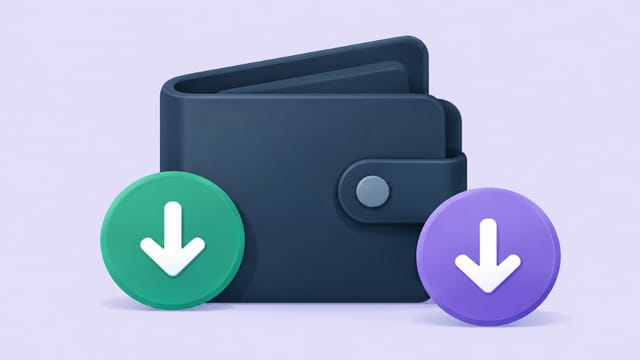
A practical guide to crypto casino deposits and withdrawals: from wallet to casino, fiat to crypto, fees to network choice.
Read guide →
How no-KYC crypto casinos differ from licensed operators that require ID verification.
Read guide →
How tax rules apply to crypto gambling: deposits, wagers, winnings, and conversion. Generic principles, jurisdiction-agnostic.
Read guide →
How VPNs work, why crypto casinos geoblock, and what you risk if you play through one.
Read guide →
Tools, limits, and strategies to keep your gambling under control.
Read guide →
How licenses for crypto casinos actually work, and what each license route means for you as a player.
Read guide →Football, basketball, tennis, ice hockey, and American football carry the deepest markets at crypto sportsbooks, with combat sports and esports close behind. Most books list dozens of sports in total. Football dominates the coverage, and during major tournaments like the World Cup its match markets and outrights are the busiest part of every book.
The common bet types are worth knowing:
Beyond markets, compare the live-betting interface, the bet builder, cash-out (which lets you settle a bet early for a partial return), and whether the book streams the matches you care about. Two books can list the same fixture at noticeably different prices, so line-shop before you stake.
Most crypto sportsbooks default to decimal odds but let you switch format in the settings. All three formats express the same thing, the price of an outcome, just written differently:
Decimal odds show your total return per unit staked, stake included. A $10 bet at 2.50 returns $25 in total: $15 profit plus your $10 stake. Higher number, longer shot.
Fractional odds show profit relative to stake. 5/1 means five units of profit for every one staked, so $10 at 5/1 returns $60 in total. Odds of 1/2 mean you must stake two units to win one.
American odds use a plus or minus against a $100 reference. +150 means a $100 stake wins $150 in profit. -200 means you must stake $200 to win $100. Favourites carry the minus, underdogs the plus.
Yes. Every sportsbook in our list runs in a mobile browser, and that is how most players bet. Native apps are rarer: Jack.com and 22bit are the two operators in our list with their own apps, and several others route mobile play through Telegram instead, with CoinCasino the clearest example. If an app matters to you, check the operator's site before depositing rather than the app stores, where crypto betting apps come and go.
Yes. Esports betting is a natural fit for crypto sportsbooks, and all but one of the operators in our list (22bit is the exception) carry esports markets, with Counter-Strike 2, Dota 2, League of Legends, and Valorant the headline titles. Crypto's fast, global payments suit a scene whose audience and events span borders.
Coverage depth differs widely. Some sites list only headline matches; others price maps, rounds, and player props in play. If esports is your main market, filter for it and check whether a site offers live esports odds, not just pre-match. Combat sports such as MMA and boxing sit alongside esports as the other markets where crypto books often run competitive prices.
Safety at a crypto sportsbook comes down to the operator, not the technology. What we weigh on the betting side is how a book behaves when money is in motion: how it settles disputed bets, how quickly it honours winning withdrawals, and how it communicates when a market is voided. We vet every operator before listing it and show independent Trustpilot and AskGamblers data on reviews where the operator has a public record.
One caution recurs in our testing: no-KYC play is convenient but cuts both ways. If a dispute or account lock happens, there is less of a paper trail and fewer formal channels to recover funds. Keep stakes small at any book until your first withdrawal has landed.
Reaching a geoblocked sportsbook through a VPN can breach the operator's terms, and operators can void winnings or freeze withdrawals placed from a restricted region. Read the terms before you deposit. Our VPN guide covers how different operators handle it.
Run these five checks before depositing:
Yes, at some books. Roughly half the sportsbooks in our list let you register and bet with nothing more than an email address under a no-KYC policy. The rest verify identity either at sign-up or once withdrawals pass a threshold, so “no KYC” often really means “no KYC yet”. Anonymity has a cost: with no verified identity there are fewer formal channels if something goes wrong, and a book can still demand documents before releasing a large win. Our KYC vs no-KYC guide walks through the thresholds and what triggers them.
Nearly every crypto sportsbook operates on an offshore licence that covers casino and betting under a single approval. Curaçao is the issuer we see most often in our list, ahead of Anjouan, while some operators rely on a Costa Rica company registration, which is not a gambling licence at all. None of these regimes match the player protection of a strict national regulator.
Since the National Ordinance on Games of Chance (the LOK) took effect on 24 December 2024, licences are issued directly by the Curaçao Gaming Authority (CGA), which replaced the old Gaming Control Board and its master-licence system. The CGA runs a public register and requires licensed sites to carry a verifiable digital seal. It is the strongest-recognised licence in this niche, though Curaçao licences still do not provide the same level of player protection as licences from stricter European jurisdictions such as Malta (MGA) or the UK (UKGC).
Anjouan licences are administered through Anjouan Licensing Services under the island's offshore finance authority, with one licence covering casino and betting. The regime is cheaper and faster to obtain than Curaçao, and verification is less robust; several lookalike “register” domains exist, so confirm an active licence with the operator directly rather than through a third-party seal.
Costa Rica issues no gambling licence. Operators “based in Costa Rica” hold a local business registration, nothing more. Treat this as the weakest assurance of the three and lean harder on independent ratings and your own small-stake testing.
Offshore means the operator is licensed somewhere other than where you live, usually in a jurisdiction that permits crypto payments and serves players globally under one approval. The practical difference appears when something goes wrong: a voided bet or frozen payout is resolved through the operator and independent mediators rather than a national regulator with enforcement power. That is the price of crypto payments, light KYC, and bigger bonuses. We unpack each regime in our crypto casino licences guide.
Whether you can legally bet at a crypto sportsbook depends entirely on where you live. Online gambling laws vary by jurisdiction, and offshore operators geoblock several countries, so a site that is open to one bettor may be off-limits to another. The safest approach is to check your local rules and the operator's accepted-countries list before you register or deposit.
Tax treatment varies just as widely, and converting crypto to fiat can be a taxable event of its own regardless of the gambling outcome. We are not tax advisers: consult a qualified professional in your country, and see our crypto gambling tax guide for the general principles.
Set limits before you start, treat betting as entertainment rather than income, and never chase losses. Crypto sportsbooks settle instantly and often run without KYC, which removes some of the friction and built-in limits that slow spending on regulated sites. That convenience makes self-imposed controls more important, not less.
Use the tools available: deposit and loss limits, time-outs, and self-exclusion where the operator offers them. Because no-KYC sites have fewer built-in safeguards, third-party blockers add a layer the operator does not: GamBan and BetBlocker restrict access across devices. For support, BeGambleAware, GamCare, and Gambling Therapy offer free, confidential help internationally. Our responsible gambling guide covers limits and strategies in more depth. 18+.
It depends on how the sportsbook holds your balance. Many crypto books keep funds in the coin you deposited, so the fiat value of your bankroll moves with the market until you withdraw; others convert deposits to a dollar-pegged balance at the cashier. Check before depositing. Stablecoins such as USDT avoid the swing entirely.
Sometimes, not always. Every book builds a margin into its odds, and that margin varies by operator and market rather than by payment rail. Some crypto sportsbooks price big football markets sharply, others do not. Comparing the same market across two or three books is the only reliable way to find the best price.
Most sportsbooks in our list accept both. Dogecoin is missing from only a couple of operators, and Solana support is nearly as broad. Both coins clear faster and cheaper than on-chain Bitcoin, which suits live betting. Use the coin filters on the toplist above to see the current selection, since supported coins change.
Yes. Crypto sportsbooks carry full coverage of major tournaments: match markets, outrights on the winner, and live in-play betting. Stablecoins suit outrights that stay open for weeks because they avoid price swings. In the toplist above you will find the five operators we currently rank highest. Availability still depends on where you live, so check the operator's accepted-countries list first.

Jonas tests every casino personally and evaluates the experience from the player's perspective, from registration and deposit to bonus and withdrawal.

Thomas verifies content and checks terms, controls facts, and ensures information is accurate for the global crypto casino market.
Gambling involves risk. Play responsibly. 18+.