





Beyond playing at standard crypto casinos and betting sites run by operators, you can also play in a decentralized way. The games are reached through decentralized apps (dApps) that live on different blockchains. Decentralized play also opens up new ways to earn, not just to bet.
Fully decentralized or hybrid: what is the difference?
Most crypto casinos that market themselves as “decentralized” still keep some part of the stack centralized. The most common setup is a hybrid.
Hybrid casino: games on a server, transactions on-chain
In a hybrid setup the games run on a central server, but every transaction settles on a blockchain. The casino still gets the upsides of blockchain tech (provably fair results, transparency, crypto payments) while keeping the speed and reliability of a central game server.
Fully decentralized crypto casino: when everything is on-chain
A fully decentralized crypto casino puts everything on the blockchain. Games are smart contracts, and every wager and payout is a transaction against those contracts.
The build is technically demanding, which is why fully on-chain casinos are far rarer than the hybrid model above.
Decentralized in code, often centralized through tokens
Another model puts both the games and the transactions on-chain. The whole platform is built from smart contracts that players interact with directly.
These crypto casinos often have a governance token. Holders can vote on proposed changes to the casino. If a single party (often the founder) holds most of the supply, you end up with on-chain rails but centralized control in practice.
Smart contracts on the blockchain: upsides and risks
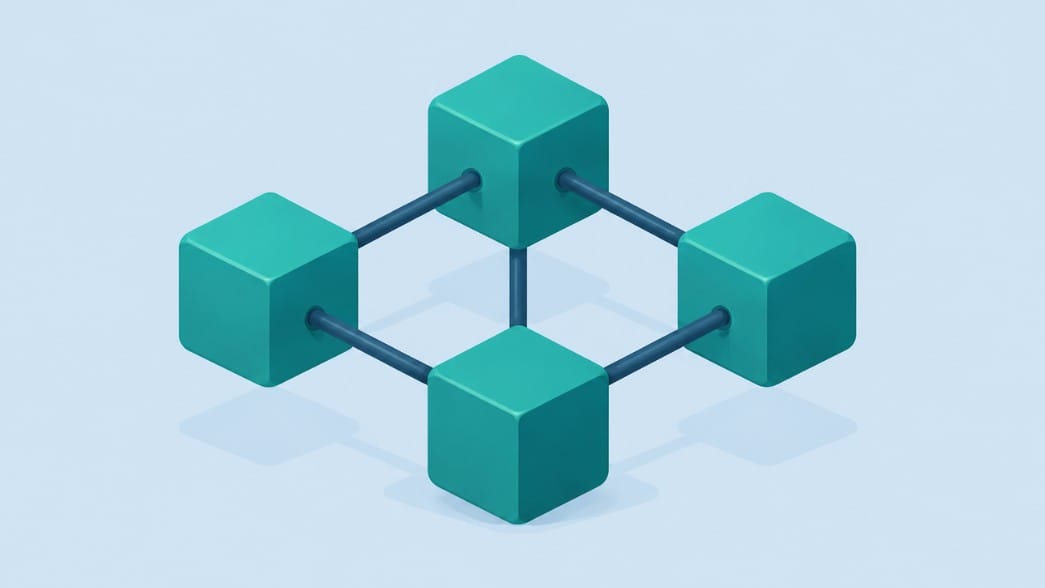
Technically, what separates a decentralized crypto casino from a traditional one is that transactions settle on a blockchain. That brings transparency and openness, and it brings new risks too.
On-chain play: how a wager actually moves
The platform is built fully or partly on a blockchain, so it can use blockchain-native features. That can mean accepting several cryptocurrencies as payment and letting you interact directly with smart contracts.
No registration, but also no support desk
If the dApp is fully decentralized, anyone can play, place bets, and withdraw winnings. There is no signup because no company is providing the service. Everything runs through smart contracts on a blockchain.
The flip side is that no one is on the other end of a support ticket if something breaks. Most platforms have a community on Discord or Telegram instead.
Partly decentralized crypto casinos (the hybrid setups above) are also open to anyone, but they may still ask for KYC before paying out winnings.
No house: you play against other players
A fully decentralized crypto casino or sportsbook has no operator on the other side of the bet. The game runs on smart contracts, and bets settle directly between players on the platform.
DAO and tokens: how players steer the casino
Several decentralized crypto casinos and sportsbooks issue their own token with specific perks. One common perk is governance rights: holders can submit proposals and vote on them.
Anything from house edge to game lineup can then be steered by a decentralized organization (DAO), where token ownership is what gives you a vote.
Decentralized betting in practice: how prediction markets work
A typical example of decentralized gambling is Rain Protocol, a platform built from smart contracts on the Arbitrum blockchain. Bets settle exclusively between players, never against a sportsbook.
That means players themselves shape the markets and the experience. They do this in three ways:
- Create markets. Users can create markets that other users bet on. A market might be a smart contract handling bets on the question “Will Bitcoin reach $250,000 by January 1, 2026?”. The creator automatically earns a small percentage of the volume on that market.
- Provide liquidity. Another way to earn through these sportsbooks is to add liquidity to existing markets, the same way you would as a liquidity provider on a decentralized exchange (not a beginner move). Liquidity providers also collect a percentage of volume.
- Bet on outcomes. Players pick a market and put money on one of the available outcomes. Whoever picks the right outcome takes the other players' stakes, minus the cut paid out to market creators and liquidity providers.
Smart contracts and oracles: how the result gets settled
When a market opens on a decentralized betting platform, in practice a smart contract is created. Players send their bets into that contract.
An oracle then reports the official result back to the platform, and winnings are distributed to the wallet addresses that placed bets. The oracle layer is typically Chainlink or a similar service.
Players buy “shares” (as NFTs) for 1 USDT. A share is either Republican or Democrat. Trading runs until 24 hours before voting opens. Every bet flows into a single smart contract. Once the election is called, the entire pot is split among holders of the winning NFTs. The result is pulled in automatically through Chainlink's oracle service.
Decentralized casino in practice: randomness and liquidity
A decentralized crypto casino is also built on smart contracts on a blockchain. The difference from a betting platform is that no oracle is needed to decide a winner: outcomes are produced statistically and randomly on-chain.
What it does need is liquidity, so winnings can actually be paid out. One common solution is a native token. Liquidity providers earn the token in proportion to what they contribute, and the token then receives a share of the casino's revenue automatically.
Smart contracts control jackpots and payouts
The smart contracts powering these casinos can, for example, set the chance of hitting a jackpot at 1 in 500,000. Every bet triggers a random draw against that probability, with the prize pool funded from total wagers paid in.
A decentralized casino has a video slot with a progressive jackpot. Bets that do not hit anything keep growing the jackpot until someone finally wins it. To make sure the jackpot is always fundable, investors can add liquidity and earn a share of the losing bets in return.
Decentralized does not mean risk-free. A bug in a smart contract is permanent: there is no operator to roll back a transaction or refund a balance. Test new dApps with small amounts first, and check whether the contracts have been audited by a reputable firm before depositing real money.
Online gambling laws vary by jurisdiction. The legality of using crypto casinos depends on where you live. Check your local rules before signing up. Gambling involves risk. Play responsibly. 18+.